


Blog
Black Basalt

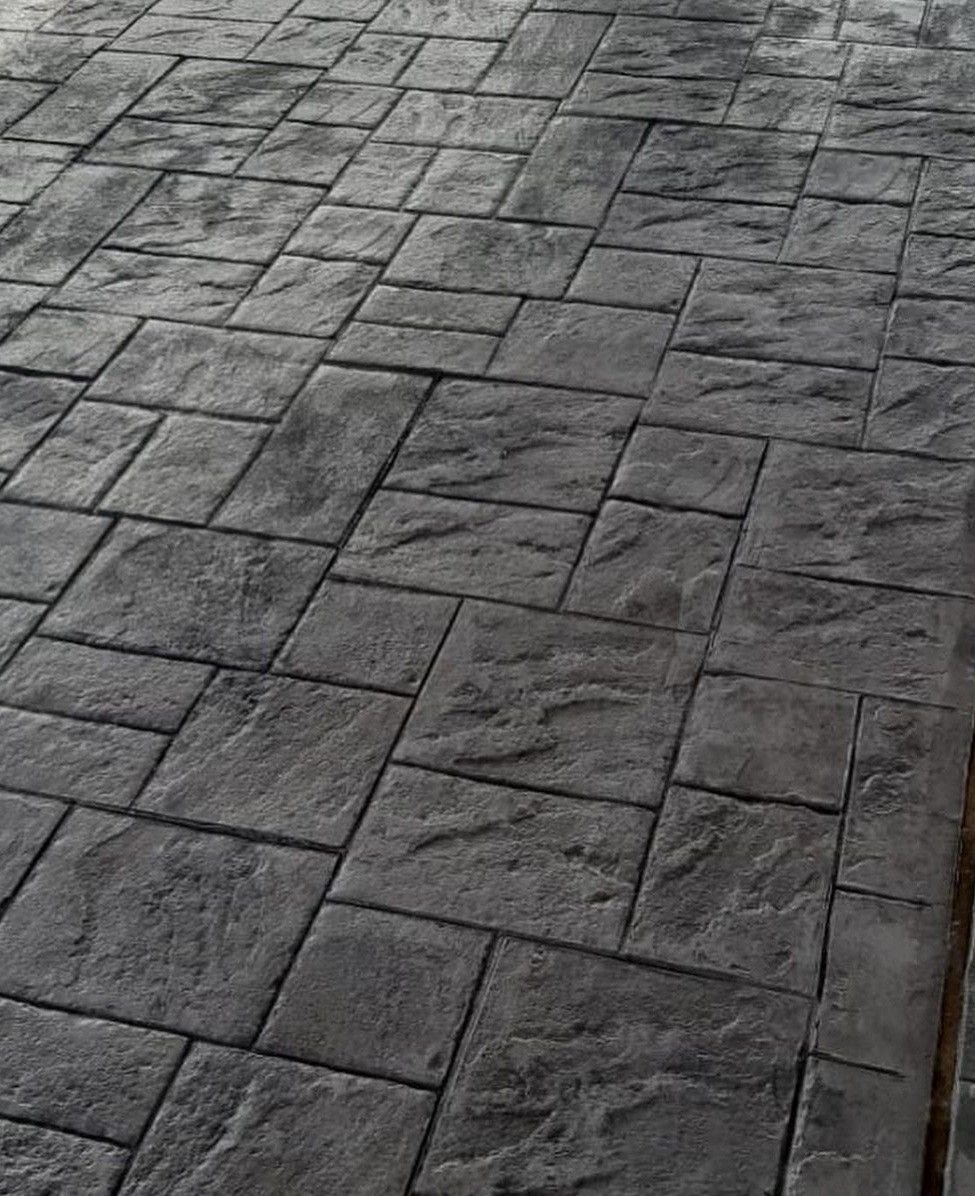
Black Basalt
Profile: Black Basalt
- Stone name: Black basalt (Black Basalt)
- Trade name: Black basalt, Egyptian basalt stone (or volcanic basalt depending on the country of origin, such as Jordanian or Syrian basalt).
- Geological classification: Basic volcanic (extrusive) igneous rock (Mafic Igneous Rock).
- Type: 100% natural rock.
- Quarry: Found in areas with a volcanic history; in the Middle East, well-known quarries include areas such as Abu Zaabal in Egypt, Sweida in Syria, and the northern and central regions of Jordan and Saudi Arabia.
- Color and appearance :Deep black or very dark gray, with a solid, uniform appearance, and it may sometimes contain fine pores or voids caused by volcanic gases.
- Hardness: Very high, ranging from 6 to 7 on the Mohs scale (Mohs Scale), making it stronger than most types of marble and limestone.
- Water absorption: Very low, usually ranging from 0.1% to 0.5%, giving it superior moisture resistance.
- Density: High, ranging from 2.8 to 3.0 g/cm³.
- Abrasion and scratch resistance: Excellent; it does not scratch easily and withstands heavy friction and heavy loads without wear.
- Weather resistance: Superior; it resists acid rain, ultraviolet rays and harsh temperature changes (thermal shock and cracking) without any change in color or properties.
- Ideal use:
- Paving streets and outdoor walkways (random or regular basalt stone).
- Garden walkways and driveways (Driveways).
- Cladding for modern and historic building facades.
- Interior wall decor (modern).
- Suitable finishes:
- Rock face (Rock-faced / Split) :A rough, prominent natural look.
- Tooled / pitted (Bush-hammered) :A textured look that prevents slipping.
- Matte (Honed): a smooth texture without strong shine that brings out the depth of the black color.
- Polished (Polished): Rarely used outdoors; used indoors to give a dark marble-like look.
- Advantages:
- Everlasting durability and resistance to heavy loads and high pressure.
- Slip-resistant when given a rough finish.
- Unaffected by oils or stains thanks to its low porosity.
- Gives a strong sense of luxury and architectural character (whether classic or modern).
- Disadvantages:
- Difficult to cut and shape due to its extreme hardness, which raises fabrication costs.
- Absorbs a lot of heat in summer due to its deep black color.
- Its heavy weight requires specific installation skills (especially on high facades).
- Maintenance: Very easy; it only needs periodic high-pressure water washing to remove dust. It does not need sealers (Sealers) unless you want to give it a permanent wet look (Wet Look).
- Alternatives: Black granite (such as Black Aswan or Galaxy), diorite stone, or black limestone (taking the difference in hardness into account).
- Average price: Medium to high; the price varies greatly by thickness (2 cm differs from 5 or 10 cm cubes and interlock), finishing method (rock face or polished), and type of shipping and sorting.