


Blog
Gray Basalt

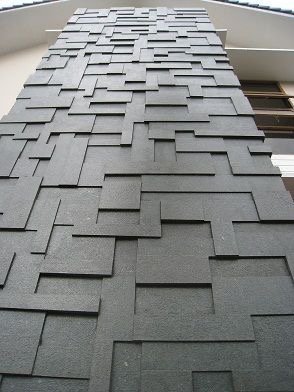
Gray Basalt
It is used for road paving and outdoor floors.
The complete, detailed technical sheet for gray basalt based on its physical and geological properties:
Profile: Gray Basalt
- Stone name: Gray basalt (Grey Basalt)
- Trade name: Gray basalt, Chinese gray basalt, gray volcanic basalt stone.
- Geological classification: Extrusive volcanic igneous rock (Volcanic Igneous Rock).
- Type: 100% natural rock.
- Quarry: Found in areas of ancient lava flows; well-known quarries include Vietnam, China, and parts of Jordan, Syria and Yemen.
- Color and appearance: Light to medium gray (Light to Medium Grey), with a fine speckled or very granular appearance, and often more uniform in color distribution than black basalt.
- Hardness: Ranges from 5.5 to 6.5 on the Mohs scale (Mohs Scale), an excellent hardness that makes it superior to most limestones and marbles.
- Water absorption: Low, ranging from 0.5% to 1.5% Very slightly higher than black basalt due to the nature of its fine voids.
- Density: Ranges from 2.6 to 2.8 g/cm³.
- Abrasion and scratch resistance: Very high; it withstands friction and heavy pedestrian and vehicle traffic without surface wear.
- Weather resistance: Excellent; resistant to high temperatures, frost and humidity, and its color does not fade or change under sunlight (UV).
- Ideal use:
- Sidewalks, public squares and gardens, in the form of cobblestones (Cobblestones) or tiles.
- Swimming pool surrounds (thanks to its moderate color, which does not absorb heat to a burning degree).
- Modern building facades (Modern Cladding).
- Outdoor floors and driveways for homes and villas (Driveways).
- Suitable finishes:
- Tooled / bush hammer (Bush-hammered) :To give a rough, anti-slip texture.
- Matte (Honed) :A smooth, moderate texture that brings out the beauty of the gray color without shine.
- Blasted / rock face (Split Face) :A prominent natural rocky look widely used on facades.
- Pitted or flame-treated (Flamed) :Gives it a rough natural texture and excellent slip resistance.
- Advantages:
- Moderate color: It does not absorb the sun's heat as intensely as black basalt, making it comfortable to walk on in summer.
- High durability and a very long service life.
- A modern look that fits perfectly with "modern" and minimalist (Minimalist) architectural designs.
- Very good stain resistance when properly treated.
- Disadvantages:
- Very slightly less hard than dark black basalt.
- Requires installation skill due to its weight and hardness during cutting.
- Some types may show temporary damp patches after rain until they dry completely, due to their microscopic porosity.
- Maintenance: Easy; periodic cleaning with water and neutral cleaners. Applying a sealer (Sealer) once every few years is recommended in areas exposed to oils or heavy dirt to keep it clean.
- Alternatives: Gray granite (such as Sherka Gray or Flamenco), andesite stone (Andesite), or hard gray limestone.
- Average price: Medium to high; it is generally slightly cheaper than pure black basalt, and the price depends on the country of origin and the required thickness (such as 2 cm tiles versus 5 or 10 cm paving cubes).