


Blog
Marble and Granite Factories in Egypt: 7 Modern Technologies That Raise Production Quality and Added Value (5) The Best-Known Types of Egyptian Granite

Article by: Dr. Mohanda El-Ghoul
Source: Petronews
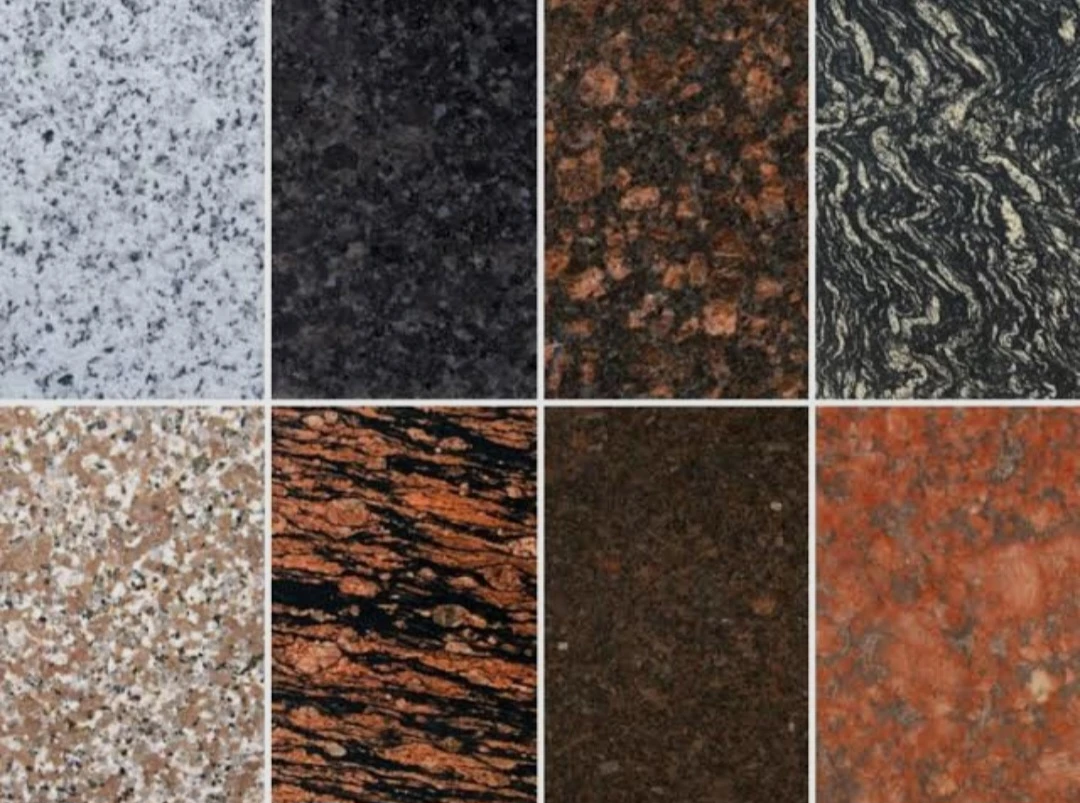
The Egyptian market offers a diverse range of granite materials; among the most traded types are:
- Black Aswan granite: Known for its dark color and hardness, it is used for floors, stairs, kitchen countertops and facades.
- Halayeb granite : Used in a number of indoor and outdoor applications.
- New Halayeb granite : Known for its variety of colors and its granular appearance.
- Gandola granite : Used for floors, entrances and facades according to the required specifications.
The difference between marble and granite
- Marble and granite differ in geological formation, properties and uses; granite is an igneous rock generally characterized by high hardness and wear resistance, while marble is a metamorphic rock known for its variety of colors and veins and its suitability for finishing and polishing.
- The nature of each material, its properties and its end use determine the appropriate processing and finishing methods, so the required technical specifications differ from one product to another.
Marble and granite: between aesthetic value and durability
- Marble is known for its variety of colors and natural veins, which gives it an aesthetic value that makes it suitable for floors, walls, facades, entrances and decorative work.
- Granite, on the other hand, has high hardness and durability, so it is used in applications that require greater resistance to use and external factors, such as stairs, facades and kitchen countertops.
- The properties of each material vary according to its geological composition, type, source and processing method, so sorting, processing and finishing are key factors in determining the quality of the final product.
Defects in marble and granite, and how factories treat them
- Natural stones have variations and defects that may be related to the nature of the raw material or to extraction and manufacturing processes, most notably pores, hairline cracks and variations in color and thickness.
- Depending on the nature of the material and the condition of the slabs, factories use a range of techniques to treat some of these defects, including:
- Epoxy : Used to fill some pores and cracks and improve slab cohesion.
- Fiberglass: Can be used to reinforce the back of some slabs that need extra cohesion.
- Calibration : Aims to adjust thickness and achieve greater uniformity between slabs.
- Grinding and polishing: Help improve surface flatness and bring out the aesthetic appearance of the material.